
Skip to content
Path for Growth

Worth It Wednesday

Weekly Newsletter Archive

Worth It Wednesday by Alex Judd

Most email isn't worth it - this one is.

Every issue follows the same rhythm: one practical leadership principle, one question to process, and one recommendation to help you take the next right step.

Latest Archived Email

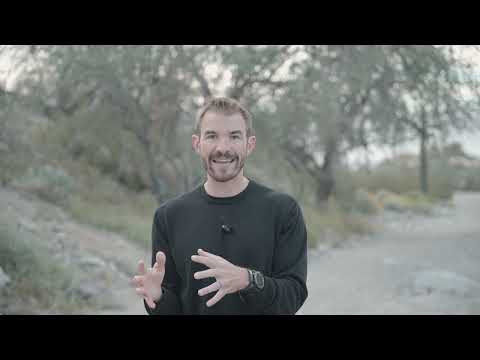
Stable in Chaos video thumbnail

Stable in Chaos

Uncertainty doesn't have to shake your identity—if you anchor it in the right place.

Principle: Uncertainty and insecurity don't have to be a package deal.

Recent Emails

Principles worth returning to


01 / Worth It Wednesday

Stable in Chaos

Uncertainty doesn't have to shake your identity—if you anchor it in the right place.

Principle: Uncertainty and insecurity don't have to be a package deal.
Read the Email Watch the Video

Worth It Wednesday Email

Principle

Uncertainty and insecurity don't have to be a package deal.

Over the past 2-3 years, I have been challenged to grow in one very specific way:

Walking through seasons of uncertainty without losing my sense of internal security.

This is a skill that does not come naturally to me.

When I encounter unpredictability, uncertainty, or upheaval in work or life, my natural tendency is to:

  • Worry
  • Get Angry
  • Doubt Myself
  • Question God

These internal states have external ramifications:

  • Micro-managing
  • Attempting to control the uncontrollable
  • Shame-based overfunctioning
  • Abandoning God's will to pursue my own

I am far from perfect but I have grown a great deal in this arena. And the growth all started with belief in one principle –

Uncertainty and insecurity don't have to be a package deal.

I had to learn that making my identity, effort, and internal state dependent on external stability was unhelpful.

I also had to learn that a new norm was possible.

Simply put – It's possible to be stable, secure, and centered even when everything around you is chaotic.

I think this is what Paul is talking about in Philippians 4:11 when he says:

"I am not saying this because I am in need, for I have learned to be content whatever the circumstances. I know what it is to be in need, and I know what it is to have plenty. I have learned the secret of being content in any and every situation, whether well fed or hungry, whether living in plenty or in want. I can do all this through him who gives me strength."

There are so many practical ramifications of learning this rare but wildly valuable "secret".

But, for the purposes of this email, let's just remember this –

You can't lead through any chaos if you are owned by it.

Question

Where is external uncertainty is affecting your sense of internal security? What would it look like to apply this principle to that situation?

Recommendation

We will be doing a deep dive into this topic of stable and secure leadership amidst chaos at our upcoming in-person experience in Colorado Springs. The theme is:

Operating in Overflow

Reject Scarcity. Embrace abundance, generosity, and faith as a model for all of life.

This experience is for business owners and the leaders they want to develop. If you are looking for an immersive jolt that will challenge the way you live and lead, we'd love to have you.

Click here to get all the details and register. Feel free to reply to this email with any questions.

Keep growing,

Alex

12 Fundamentals Assessment See where your business is healthy, where it needs attention, and what to do next.

02 / Worth It Wednesday

Good business, bad marriage

Winning at work cannot make up for disorder at home.

Principle: A good business and a bad marriage make for a bad life.
Read the Email Watch the Video

Worth It Wednesday Email

Principle

A good business and a bad marriage make for a bad life.

"The business is growing.

The team is expanding.

Owner distributions are increasing.

Impact is being made.

And... My marriage is falling apart."

I have been told some version of that story by more than one leader. They all had the same thing in common – They were miserable.

I've also heard this story more than once -

"The business is struggling.

It's a hard season for the team.

We are making cutbacks.

I'm not making as much as I'd like.

But..... My marriage is healthy and strong. Thank God."

Of course, these leaders don't relish the adversity at work. Nevertheless, they still come across as genuinely grateful, joyful, and centered.

This principle seems reflected in Proverbs 17:1 -

"Better a dry crust with peace and quiet than a house full of feasting, with strife."

Your business success can get you into the nicest cars, fanciest restaurants, and biggest houses.... But if those things are filled with conflict, you will not enjoy them.

It's why this simple framework is so important:

God

Marriage

Kids

Work

In that order.

So, good business and bad marriage make for a bad life.

But, you know what's also true —

It's possible to have a great marriage and a great business.

It will take more time, care, and intentionality.... But so does everything else that is truly worthwhile.

Question

In what ways are you most prone to getting God, marriage, kids, and work out of order?

Recommendation

In this podcast episode, we unpack the "God, marriage, kids, work" framework and discuss eight countercultural truths leaders must adopt to practice healthy growth. Watch the referenced episode

Keep growing,

Alex

12 Fundamentals Assessment See where your business is healthy, where it needs attention, and what to do next.

03 / Worth It Wednesday

When You Need Clarity

Clear writing spurs clear thinking.

Principle: Clear writing spurs clear thinking.
Read the Email Watch the Video

Worth It Wednesday Email

Principle

Clear writing spurs clear thinking.

What do you do when you are:

  • Confused
  • Indecisive
  • Stuck
  • Stalled out?

For far too long, my answer would have been some combination of –

  • Procrastinate
  • Worry
  • Avoid

Today, I have a two-fold response that has proven to be wildly effective:

1. Pray

2. Write

And the boundaries between the praying and writing are remarkably unclear.

My prayer often sounds something like this –

"God, I'm feeling ___________ (anxious, stuck, confused, indecisive, other). I need your help. I pray that you would fill my mind and heart with humility to know you are in control, wisdom to see the situation accurately, and vision to discern the path forward. Give me the right questions to ask and the patience to thoughtfully seek answers. Guide my mind and order my steps. I pray that this time would result in clarity that glorifies you and serves others. Amen."

Then comes the writing — which often just feels like prayer, part two.

For me, this is often structured in a series of questions that I write to get to the bottom of.. Here are some lines of questioning that often prove to be wildly fruitful:

LIMITING LIES –

What are the lies I'm believing?

How are those misguided beliefs showing up in my actions?

What is the truth?

What would it look like to live in alignment with the truth?

FAITH OVER FEAR –

What are you anxious about?

What do you want to occur in that relationship, decision, project, or event?

Do you believe that future is possible?

What are you called to steward and contribute to that future coming to pass?

What are you called to trust God with in pursuit of that future?

CONCEPT OF GOD

Who is the God that you believe in? What is true about Him?

How do those realities about God apply to this situation?

What are the ways you are acting or thinking out of alignment with those beliefs?

Writing after prayer is so valuable because it forces me to:

  • Clearly connect dots
  • Confront incongruencies between my beliefs and actions
  • Acknowledge faulty thought patterns
  • Envision how to practice faithfulness

Almost always, the writing is also closed in prayer. Often this time is filled with re-acknowledgement of truth, confession of how I have deviated, and a recommitment to what is good, right, beautiful, and true.

Amen.

Question

Is there an area where you feel stuck, frustrated, anxious, or indecisive? What are some questions that could help you find God glorifying wisdom, vision, and clarity?

Recommendation

Schedule 45 minutes to remove all distractions, pray, and write through those questions.

Keep growing,

Alex

12 Fundamentals Assessment See where your business is healthy, where it needs attention, and what to do next.

04 / Worth It Wednesday

Don't Wait for Perfect

The best leaders turn imperfection into motivation.

Principle: For leaders, imperfection is motivation.
Read the Email Watch the Video

Worth It Wednesday Email

Principle

For leaders, imperfection is motivation.

"If you're on a job site, you are probably going to hear people talk about Jesus. You are also probably going to hear someone say the F-bomb.

Our company is not perfect. But as leaders, we are committed to moving forward and shaping this into something that aligns with our beliefs and values. We still have work to do."

A COO of a rapidly growing civil and utility contractor said this to me on a call last week.

It made me think of the parable of the wheat and the weeds. Specifically, this part --

"The servants asked him, 'Do you want us to go and pull them up?'

"'No,' he answered, 'because while you are pulling the weeds, you may uproot the wheat with them. Let both grow together until the harvest."

Here's the point -

If we are waiting for everything to be perfect and holy to start doing good work, we will be waiting forever.

We must not allow the imperfections, brokenness, and challenges of our age to keep us from planting seeds.

Don't anticipate perfection.

Expect weeds.

In the face of those weeds, don't get discouraged.

Transform imperfection into motivation.

It's proof that there is still good work you are called to do.

Be patient. Be wise. Be faithful.

Keep doing the next right thing.

Never, never, never quit.

Question

Is there an area of your business or life where you are using imperfection as an excuse for inaction? How could you reframe it into motivation?

Recommendation

I recently sat down with Denver Whetten, the CEO of Degan Construction and recorded a conversation about his business growth story. His leadership is a testament to what happens when a leader decides to face challenges and imperfections and keep moving forward.

Keep growing,

Alex

12 Fundamentals Assessment See where your business is healthy, where it needs attention, and what to do next.

05 / Worth It Wednesday

When You Go on Vacation, Does Revenue?

The difference between running and owning is operationalizing.

Principle: The path from RUNNING to OWNING a business always involves operationalizing.
Read the Email Watch the Video

Worth It Wednesday Email

Principle

The path from RUNNING to OWNING a business always involves operationalizing.

"Alex, if you are going to start a business, there's a pretty good chance you won't be able to go on vacation for the first 3 years."

Someone told me that right before I launched my company.

Thankfully, they were incorrect.

I went on a fully disconnected vacation within the first year of starting the business. And, since then, I've taken a full month off work multiple times while the business continued to run and grow.

I've thought a lot about why they gave that advice....

They weren't trying to be discouraging or pessimistic. They were actually being realistic to what they had observed and experienced.

They knew a lot of entrepreneurs that RAN their business. BUT, they had never met or learned from an entrepreneur that OWNED their business.

There's a massive difference. Check this out:

RUNNING A BUSINESS

OWNING A BUSINESS

Firefighting

Freedom

Reacting

Leading

The Business is a Job

The Business is an Asset

Worried about Survival

Focused on Scale & Impact

When you go on vacation,

revenue goes on vacation.

When you go on vacation, the business continues to grow and improve.

Can't turn it off

Able to disconnect to rest, grow, and live

There are 2 things I want you to take away from this email:

1. It's possible for you to OWN a business.

2. If you want that, you and your team must become proficient at operationalizing.

Operationalizing is a 4-step process for making excellence predictable and repeatable instead of haphazard and accidental.

The 4 steps are simple:

1. Standardize: Define benchmarks for what winning looks like

2. Document: Document standards and proven processes in a format that is clear and accessible

3. Evaluate: Create rhythms and structure for healthy accountability

4. Improve: Establish a culture of growth within performance, processes, and standards

When a team operationalizes roles, repeated work, and meetings, the outcomes are always the same –

Waste decreases.

Distractions decrease.

Team engagement increases.

Predictability increases.

Profitability increases.

Just know that if you want to do this - you better schedule a vacation... because, instead of running your business, you will own it.

Question

What is one area of your business that is most prone to reactivity, firefighting, and unpredictability? What is preventing you from operationalizing that area?

Recommendation

For the first time ever, we will be teaching our Pathway for operationalizing your business to a cohort of owners and leaders in a 12-week virtual course.

This pathway is for any business that has a proven model that they are ready to formalize, grow, and scale in a healthy way. I'd recommend it to any business owner that wants to move from operator to CEO. You can also use it to develop the key leaders on your team that will benefit from understanding how to operationalize.

The Pathway will be led by our Coaching Manager, Olivia Graham. She is one of the leaders that was instrumental in our path to becoming an operationalized business and is wildly gifted at helping leaders understand and implement this process.

Click HERE for all of the details on the course. Feel free to schedule a call with our team if you have questions or want to discuss who from your team should attend.

Keep growing,

Alex

12 Fundamentals Assessment See where your business is healthy, where it needs attention, and what to do next.

06 / Worth It Wednesday

Never Be Wise in Your Own Sight

The moment you think you're grown is the moment you stop growing.

Principle: The greatest threat to growth is the idea you are already grown.
Read the Email Watch the Video

Worth It Wednesday Email

Principle

The greatest threat to growth is the idea you are already grown.

I think it's noteworthy anytime the word "NEVER" shows up in the Bible.

It was in my reading this morning.

Romans 12:16 says "Never be wise in your own sight."

That's a pretty interesting injunction considering that elsewhere we are encouraged to pursue wisdom as though it is more valuable than silver.

What should we take from this?

We should seek wisdom.

We should hunger for it, crave it, chase it.

AND

We should never assume that we have it.

The most centered and healthy people I know are intimately aware of the reality that the amount that they don't know FAR outpaces the amount they do.

This understanding affects practically everything about the way they live:

- They relate to all people with humility

- They ask absurdly good questions

- They find fascination in everything

- They view the world around them as being filled with uncovered potential

- They never stop growing

Here's what I want to remember -

This side of heaven, there is no grown. It's always growing.

Praise God for that.

Question

What is the area of your life or leadership that you are most prone to perceiving yourself as being grown? What would it look like to approach that area with a new sense of humility, curiosity, and genuine desire to learn?

Recommendation

This principle is intimately tied to the virtue of humility. One of the best short reads that I've encountered on the topic of humility is John Dickson's Humilitas. It provides a convicting and pragmatic picture of what humble living and leadership actually looks like.

Keep growing,

Alex

12 Fundamentals Assessment See where your business is healthy, where it needs attention, and what to do next.

07 / Worth It Wednesday

There Is No Pause Button

You're called to manage what you have while building what you want.

Principle: Transformation always occurs in motion.
Read the Email Watch the Video

Worth It Wednesday Email

Principle

Transformation always occurs in motion.

Business (and life) would be so easy if...

Every time you entered a new season, you could take a few months off to:

- reset expectations (yours and others)

- replenish energy

- renew vision

But, it almost never works that way.

Here's the principle:

You are called to faithfully MANAGE the business (and life) you have while BUILDING the one you want.

There's no magic pause button.

Transformation always occurs in motion.

While that's hard, it's also good.

Because, properly responded to, this challenge makes us into leaders that:

- Empathize with the challenges of others

- Receive and extend grace well

- Build robust, agile, and ownership-minded teams

- Stay grateful for the blessings of the present

- Build the character we need for the season ahead

Don't kill desire. It's a good thing that will propel you to build in service of others.

But also don't abandon current responsibilities in the pursuit of future aspirations.

Strive to manage the tension and don't be surprised when God uses the process to form your character.

Question

Are you more likely to kill desire or abandon responsibility in this season? What would it look like for you to be a leader that manages the tension well in service of others and for the glory of God?

Recommendation

Have you heard: O God Would You Move by KXC Worship? The chorus of this song has been so valuable to me in seasons where I am tempted to hold my plans too tightly. Here they are:

We've prayed our prayers. We've made our plans.

But if you're not in it, we don't want it.

O God would you move.

Only you can heal our land.

Holy Spirit come and fill us

O God would you move

Keep growing,

Alex

12 Fundamentals Assessment See where your business is healthy, where it needs attention, and what to do next.

08 / Worth It Wednesday

You Can't Have Both

Every growing leader eventually faces this tradeoff: control or growth.

Principle: If you want to experience growth, you have to release control.
Read the Email Watch the Video

Worth It Wednesday Email

Principle

If you want to experience growth, you have to release control.

Effective leaders all have one thing in common –

They produce more than they can sustain.

The way that leaders respond to this reality makes all the difference.

The normal path is to helplessly work to retain control while your business and life grow:

You become a leader that:

  • Holds on to too much responsibility for too long
  • Micromanages
  • Bottlenecks their business

The results are always the same:

The leader and the people they lead stall out or burn out.

The leaders that win understand this critical truth I first heard said by Craig Groeschel:

"You can have control. Or you can have growth. But you can't have both."

Here's what this looks like practically:

  • Optimize your hiring process for Character, Culture, Chemistry and Competency
  • Hire ahead of the curve
  • Trust proportional to competency and integrity
  • Lead with what and why
  • Empower people with context, information, training, and feedback
  • Create rhythms for effective accountability

One final note on this principle –

Releasing all control all at once isn't leadership. It's recklessness that ultimately backfires.

Discerning when and how to trust people with more responsibility is the hard work of leadership.

Seek wise counsel.

Provide massive amounts of intentional training.

Give feedback early, clearly and often.

Above all else remember – Most people, most of the time, are just doing the best that they can.

Question

Are you more prone to release control too fast or too slow? How could you moderate that tendency in this season?

Recommendation

Turn the Ship Around by David Marquette massively impacted the way I think about and teach delegation. It's a powerful story that offers practical advice for handing off responsibility effectively.

Keep growing,

Alex

12 Fundamentals Assessment See where your business is healthy, where it needs attention, and what to do next.

09 / Worth It Wednesday

The Work of a Leader

You are called to leave certainty behind and create order from chaos.

Principle: Leadership is leaving the known for the unknown.
Read the Email Watch the Video

Worth It Wednesday Email

Principle

Leadership is leaving the known for the unknown.

Many of the founders I know have a similar story:

  • They had a stable job within a company.
  • They became bored by the predictability and wanted the freedom of starting their own company.
  • They jumped into the chaos and excitement of entrepreneurship. It was thrilling.
  • They craved stability, predictability, and certainty. They did the hard work to create it.
  • They felt or experienced a need to embrace new levels of uncertainty.

Leaders make an impact when they stop avoiding the tension between certainty and uncertainty and start embracing it.

As a leader, your greatest responsibility is to lead people into the chaotic unknown and subdue it into life-giving, value-producing, career sustaining order.

That's the work you get to do.

And if you are going to do it well, it will require:

Faith to hope for things that don't yet exist.

Vision to see what could be.

Courage to take the next step.

Humility to leave the parts of you behind that don't produce good fruit.

Passion to sustain relationships and results.

And

An indomitable will that refuses to quit.

If you have that, you can't lose. You either win or you learn.

Question

What's the uncertainty you are being called to wade into in this season? How could you engage that uncertainty with faith, vision, courage, humility, and passion?

Recommendation

One of the most challenging parts of leading people into the unknown is the doubt that you experience as a leader. This often shows up as imposter syndrome. Ben Loy and I recently did a deep dive of how to counter imposter syndrome in a God Honoring way in this podcast conversation.

Keep growing,

Alex

12 Fundamentals Assessment See where your business is healthy, where it needs attention, and what to do next.

10 / Worth It Wednesday

Why God Sent Manna Daily

Dependence wasn't just a lesson in the wilderness—it was a gift.

Principle: Dependence is a blessing.
Read the Email Watch the Video

Worth It Wednesday Email

Principle

Dependence is a blessing.

I recently spoke at an event for Orthodox Jewish leaders and business owners in the tri-state area.

After I finished speaking, a man came up to me and shook my hand.

He went straight into the deep end of the conversation with a line of questioning -

"You talked about growth, control, and trust a lot. It made me think of God sending the Manna. Do you know where they were when he did that?"

Thankfully, I knew enough of Exodus to not be caught clueless in that moment —

"In the wilderness... the desert."

He responded "That's right! And how often did he send it?"

Again, I was grateful to know the answer... "Every day. Except the Sabbath."

He patted me on the back and encouraged me "THAT'S RIGHT! Ok, one more for you..."

"Why every day? Why not just send a bulk portion on the first day of the week?"

I felt like I had this one too. Here's what I said –

"He wanted to teach them to depend on Him for provision. It was a lesson"

He looked at me as if expecting me to keep going.... I didn't. And then he said something that is both practical and profound for leaders:

" You are correct. He did want them to learn dependence. It was a lesson. But it was also a blessing. He also wanted them to become a people that viewed every single day as a gift. He wanted them to have the DAILY experience of how God provides. He was forming them into a people that knew deeply that every moment was a gift that should not be taken for granted. He wanted them to have a repeated reminder of God's care, goodness, and love in the days after escaping the generational tyranny of Egypt."

Here's the principle I needed from that conversation –

Dependence is not just a lesson. It's a blessing.

The fact that I don't have to control, micromanage, or willpower my way through every day is such a gift.

It's the same for you.

As a leader, do you fall into the trap of thinking you need all the answers for the week, month, or even year ahead?

As a leader, do you feel the stress of trying to control outcomes you were never meant to control?

As a leader, are you looking to yourself to be the ultimate provider instead of God?

If so, it's time to experience the blessing of dependence.

It's not just a lesson to be learned. It's a gift to be received.

Question

What's an area of your life, leadership or business that you are trying to micromanage and control? What would it look like to experience the blessing of dependence in that arena today?

Recommendation

When you internalize this principle, Matthew 11:28-30 reads different. Spend some time reading and meditating on how this truth and pray about what it would look like to lead in alignment with it:

"Come to me, all you who are weary and burdened, and I will give you rest. Take my yoke upon you and learn from me, for I am gentle and humble in heart, and you will find rest for your souls. For my yoke is easy and my burden is light."

Keep growing,

Alex

12 Fundamentals Assessment See where your business is healthy, where it needs attention, and what to do next.

11 / Worth It Wednesday

The Lie Behind Your Title

What you call "achievement," Scripture calls assignment

Principle: Authority is a blessing, not an achievement.
Read the Email Watch the Video

Worth It Wednesday Email

Principle

Authority is a blessing, not an achievement.

I started reading Colossians this morning and got stopped in the opening sentence.

"Paul, an apostle of Christ, by the will of God..."

That's as far as I made it. Because, embedded in these 10 words, there was a principle that I needed to remember.

It's the opening of a letter. A greeting.

As with any greeting, the author, gives his name – Paul.

He also gives his title or role – An apostle of Christ.

To be an apostle is to be a leader; one who has authority; one who was sent.

And then comes the noteworthy part, after offering his title, Paul shares his qualifications –

"By the will of God."

That should stop us in our tracks.

Think about your roles or titles for a second. Here are some of mine –

Husband

Dad

Founder

CEO

Leader

And now, add this phrase after them –

"By the will of God."

Alex, CEO of Path for Growth, by the will of God.

Don't miss this – You live in a world that repeatedly tries to convince you that everything you have is something you individually and independently earned.

Culture affirms the prideful notion that you are a self-made man or woman.

Here's reality – everything you have is something you were given.

No doubt, you played a participatory role.

But, never confuse that small contribution with the delusion that you willed it to occur.

Everything in your life exists because and by the will of God.

He's the originator.

You are a partaker, participant, and steward.

Question

What's the area you most often take credit for something God willed? What would it look like to give God the glory He rightfully deserves for that part of your life?

Recommendation

The "will" of God can be a challenging and complex subject especially in the face of hardship and suffering. If you are wrestling for clarity on this, I recommend thoughtfully reading Romans 12: 1-2 and then listening to this message from John Piper.

Keep growing,

Alex

12 Fundamentals Assessment See where your business is healthy, where it needs attention, and what to do next.

12 / Worth It Wednesday

When Generosity Turns Toxic

You can give generously and still miss the point. Here's the warning sign.

Principle: Healthy generosity is cheerful.
Read the Email Watch the Video

Worth It Wednesday Email

Principle

Healthy generosity is cheerful.

Have you ever given begrudgingly?

Let's make it even more specific –

Have you ever sacrificed time, money, or energy for another person in a manner that was irritable, annoyed, stingy or even angry?

Be honest.

Unfortunately, my answer to this question is yes.

And when it occurs, It is always fueled by internal justifications that are toxic and corrosive:

  • I shouldn't have to do this...
  • No one else is giving like this...
  • They should be more grateful...
  • Why does this fall on me?
  • If they only knew what this was costing me...

Simply put – There have been times in my life and leadership where my actions were generous but my heart wasn't.

This is a massive "red flag" that my motive and manner for being generous have drifted from gratitude and into entitlement.

Many people lose when that happens.... But no one more than me.

Instead of participating in the life-giving joy of healthy generosity, I am settling for a shadow that lacks substance and meaning.

Paul made this very clear in 2 Corinthians 9:7:

"Each one must give as he has decided in his heart, not reluctantly or under compulsion, for God loves a cheerful giver."

While this verse is contextually directed at finances, I'm convinced it also applies to the way we give our time, energy, and other resources.

We are called, commanded even, to not just give but give cheerfully.

And the best way to give cheerfully?

Recognize just how much you've been given.

Question

What's an area of your life where you are prone to give time, money, or energy with an un-cheerful heart? How could you pursue a better, healthier, and more God-glorifying heart posture?

Recommendation

We recently referenced this principle (and 7 others) in a recent podcast about generosity in leadership. This episode will give you practices for becoming a leader that gives in a cheerful and intentional way. Here's the link.

Keep growing,

Alex

12 Fundamentals Assessment See where your business is healthy, where it needs attention, and what to do next.

13 / Worth It Wednesday

What actually causes growth

Big change rarely comes from big moments. It comes from small daily deposits.

Principle: The greatest growth comes from consistency, not extravagancy.
Read the Email Watch the Video

Worth It Wednesday Email

Principle

The greatest growth comes from consistency, not extravagancy.

What if you read 10 pages of a good book today?

This would take about 20 minutes. Although it might be challenging to slow down, I'm sure that investment of time and energy would be possible.

However, even the best book in the world probably won't make a massive impact on your intellect, beliefs, attitude, and actions in one 10-page sitting.

But, what if you made that a habit that you did every day this year?

10 pages X 365 days = 3650 pages.

The average non-fiction book is 250 pages long.

So, in reading just 10 pages a day, you would have finished nearly 15 books.

Reading 15 good books would change the way you think, relate to people, approach your work, plan for your future, and make decisions. It would probably make you more thoughtful, intentional, focused, and faithful.

Simply put, it would change your life.

Carl Jung famously asserted that most people miss God because they aren't willing to look low enough.

While this sounds heretical, it's actually directly related to this principle.

We live in a time that celebrates things that are big, new, and different.

In reality, meaningful change, growth and breakthrough often doesn't come from the huge things you do occasionally. It comes from the small things you do consistently.

It comes from the daily deposits that appear mundane, boring, and seemingly inconsequential.

It comes when you decide literally and figuratively to stop reading books and start reading pages.

Question

What's an area that you want to grow? How could you break that down into a very achievable habit that you would do every single day?

Recommendation

Looking for a good book to start your 10 pages a day on? You can get my list of 101 recommended books and takeaways here.

Keep growing,

Alex

12 Fundamentals Assessment See where your business is healthy, where it needs attention, and what to do next.

14 / Worth It Wednesday

Confidence is not a coincidence.

Control what you can. Pray for what you can't. Trust God with all of it.

Principle: Confidence is not a coincidence.
Read the Email Watch the Video

Worth It Wednesday Email

Principle

Confidence is not a coincidence.

I often struggle with indecision or decision fatigue –

One of the causes is lack of confidence.

Sometimes, I can control or influence the things I don't feel confident in:

- My preparation

- The accuracy or totality of the information I have

- My thoughtfulness

- My willingness and patience to listen to different perspectives

- My abilities matched to the task or decision at hand

In these cases, there are things that I can do to expand my confidence:

- Schedule preparation

- Define the information I need and go get it

- Write my thought process on paper

- Schedule time to listen to people

- Get training or get help

But, there are also times where I am looking for confidence in things I can't control.

The stoic philosopher Epictetus stated this reality so simply:

"Some things are up to us and some things are not."

The absolute worst thing I can try to do in these situations is arrogantly try to control the things that I can't:

- outcomes

- other people

- circumstances

Rather, those are the areas that my confidence should be in something much greater than myself.

Here's what I have to remember – I'm at my best when I am operating with confidence. And confidence is not something that I haphazardly stumble into. It shows up every single time I follow this playbook:

Focus on the things you can control.

Pray for the things you can't.

Trust God in and for all of it.

Question

Is there an area of your life and leadership where things are stalled because you are lacking confidence? What would it look like to adopt this playbook in that area:

Focus on the things you can control.

Pray for the things you can't.

Trust God in and for all of it.

Recommendation

The book that I read that has had the greatest impact on my confidence in making decisions in life and business is called "Decision Making and The Will of God." It is dense but will give you a thorough and profound framework for making decisions that are wise, healthy, and effective.

Keep growing,

Alex

12 Fundamentals Assessment See where your business is healthy, where it needs attention, and what to do next.

15 / Worth It Wednesday

Intentional or Anxious?

The difference isn't behavior—it's motive.

Principle: The difference between intentionality and neuroticism is motive.
Read the Email Watch the Video

Worth It Wednesday Email

Principle

The difference between intentionality and neuroticism is motive.

Can I let you in on a secret?

For a long time, I got credit for being intentional and I was actually being neurotic.

Let me explain –

People saw my:

  • Relentless Preparation
  • Attention to detail
  • Excellent results
  • Ability to present in a polished way

And thought that these externally good things were the result of an internal state that was healthy and abundance minded.

In reality, I'm sad to say that they were often the product of worry and anxiety.

The thing that was causing me to prepare so much, think through every possible response, and focus so much on preparation was fear.

My primary motive was fear that:

  • I'd be perceived as a failure
  • I'd lose control
  • There won't be enough
  • The house of cards would finally fall apart.

Let's be clear – That's not intentionality. That's neuroticism. And it's a toxic imposter of all that we are actually called to be.

While fighting the wrong motive is still a daily battle, I have made great progress.

Today, I spend way more time operating from a posture of healthy, abundance-minded, God-glorifying intentionality.

Externally, it often appears the same.

Internally, it's so much better.

Instead of being motivated by fear, I am motivated by hope, faith and joy.

That's the difference between neuroticism and intentionality.

Question

Are there any areas where your neuroticism is hiding under the mask of intentionality? What would it look like to adopt the motive of hope, faith and joy instead of fear?

Recommendation

There are many things that contributed to me being more intentional and less neurotic. However, one practical action that I would recommend to everyone is memorizing Phillipians 4:4-9[a]. Having this particular truth accessible by memory has been invaluable for me. It gives concrete actions on what to do with anxious thoughts and provides a powerful reminder of what we are called to set our minds on. I can honestly say that I mentally reference it every day.

Keep growing,

Alex

12 Fundamentals Assessment See where your business is healthy, where it needs attention, and what to do next.

16 / Worth It Wednesday

Accelerate the inevitable

Are you going to lead or follow?

Principle: Leaders accelerate the inevitable.
Read the Email Watch the Video

Worth It Wednesday Email

Principle

Leaders accelerate the inevitable.

John Maxwell says that leaders "see more and see before."

This statement refers to a leader's gift.

But, it also alludes to a leader's burden.

Often - the writing is on the wall. You know that something needs to change:

  • A hard conversation has to be had
  • A chronically underperforming team member needs to be let go
  • A culture issue needs to be addressed
  • Costs need to be cut
  • Lifestyle needs to change

However, not everyone can see the trajectory as clearly as you can.

This is where your courage as a leader will be tested.

Will you do the comfortable thing instead of the right thing?

Will you appease people's current interest instead of their best interest?

Will you follow instead of lead?

True leaders muster the courage to do what is necessary even when... especially when, it's not popular.

They accelerate the inevitable.

Question

Is there an area of your life or business where the result appears inevitable? Is there anything you are called to do to accelerate the path to that outcome?

Recommendation

For a deeper dive on leading change with courage, Tod Bolsinger's Tempered Resilience is a powerful resource.

Keep growing,

Alex

12 Fundamentals Assessment See where your business is healthy, where it needs attention, and what to do next.

17 / Worth It Wednesday

Such a Common Mistake

How do you measure your effectiveness?

Principle: The effectiveness of a leader is measured by the effectiveness of the team.
Read the Email Watch the Video

Worth It Wednesday Email

Principle

The effectiveness of a leader is measured by the effectiveness of the team.

How do you measure the quality and impact of your leadership:

  • The results you get?
  • The goals you achieve?
  • The growth you experience?

Those may measure personal success — but they don't measure leadership.

Leadership effectiveness is defined by your ability to make other people effective.

Revered Tennessee Basketball Coach Pat Summit nailed this – ""Leadership is about making others better as a result of your presence and making sure that impact lasts in your absence."

Think about the people you lead:

  • Are they getting desired results?
  • Are they achieving personal and professional goals?
  • Are they growing?

If yes, you are winning as a leader.

If no, you may be winning individually but still have work to do as a leader.

We live in a culture that confuses personal achievement with leadership. Don't make that mistake.

Dedicate your time, energy, and influence to helping other people thrive.

That's leadership.

Question

Is there someone you want to be more intentional about leading well? What would this look like?

Recommendation

The Motive by Patrick Lencioni is a brilliant book that dives deeper into the ways we often misunderstand leadership. I interviewed Pat on this book at my previous job - you can listen to that HERE.

Keep growing,

Alex

12 Fundamentals Assessment See where your business is healthy, where it needs attention, and what to do next.

18 / Worth It Wednesday

The fast track to failure

When does the "wisdom of the group" go to far?

Principle: Committees don't make decisions... people do.
Read the Email Watch the Video

Worth It Wednesday Email

Principle

Committees don't make decisions... people do.

The command and control model of leadership feels like a relic of the past.

Today, the model for effective leadership is:

  • Collaborative
  • Service-oriented
  • Relational

But, it's possible for the pendulum to swing too far.

We don't just discuss decisions as a group – We try to make them as a group.

On it's face, this looks like a mature approach.

In reality, it often signals a leader that is:

  • A people pleaser
  • Afraid of conflict
  • Unwilling to take risks
  • Shirking responsibility

I know this because I have been guilty of it.

No doubt, we should discuss big decisions in groups.

We should listen to the variety of perspectives, opinions, and proposed paths forward.

But, when this is done, a decision needs to be made.

This can't be a soft combination of what everyone has offered. That's decision by committee and it's a quick route to being dull and ineffective.

Drucker said it best: "Whenever you see a successful business, someone once made a courageous decision."

It doesn't always have to be made by you – but it does have to be made by someone.

Then, as a leader, you need to have the guts to humbly acknowledge dissent yet request commitment.

That's leadership.

Question

Are there areas of your life where you delegate decision making responsibility to the group? What drives this?

Recommendation

Kevin DeYoung's book Just Do Something is a fast, clear, Christian perspective on how to make decisions with confidence and faithfulness

Keep growing,

Alex

12 Fundamentals Assessment See where your business is healthy, where it needs attention, and what to do next.

19 / Worth It Wednesday

The hidden ceiling on your effort

Healthy effort always follows belief — never exceeds it.

Principle: Effort never sustainably exceeds belief
Read the Email Watch the Video

Worth It Wednesday Email

Principle

Effort never sustainably exceeds belief

I had been training for my 2nd Ironman for nearly 7 months.

It was the first time I had ever worked with a triathlon coach and my fitness level was the best it had ever been.

4 weeks before the race, my endurance was at an all time high. I felt healthy, strong, and prepared. I was entering every workout with an insane level of passion and motivation because I knew the race – and finish line – were finally in sight.

Then something crazy happened –

A hurricane barrelled through Panama City, Florida.

Thankfully, the residents of the city were ok. However, the course for the race was flooded, wrecked, and littered with debris.

For 24 hours, the race Facebook group literally freaked out waiting for Ironman to share an update.

Eventually, they released a statement:

"As of right now, we do not have enough information to decide whether the race can safely happen as scheduled or not. We are looking into the situation and will have an update in a week."

That night, I went to the gym for a swim/run workout. And something wild happened...

All of my motivation evaporated.

I didn't want to swim. I didn't want to run.

Why? Because I didn't even know if the thing I was working towards would happen.

That's when I learned the principle – Effort never sustainably exceeds belief.

As a leader - you have to know what you are aiming at.

Just as essential - you have to believe that it's possible. Not guaranteed... just possible.

To the degree that you don't think it's possible, you won't expend the effort necessary to make it happen.

Guard, cultivate, and expand your belief.

And don't be surprised when your effort follows.

Question

What is the future you feel called to contribute to in your life, leadership and business? Do you believe that it's possible?

Recommendation

We recently referenced this principle (and many others) in a conversation about the 4 phases of leadership development on our video channel. This episode is an excellent resource for anyone seeking a map to grow in their leadership capacity.

Keep growing,

Alex

12 Fundamentals Assessment See where your business is healthy, where it needs attention, and what to do next.

20 / Worth It Wednesday

The conversation that changed everything

Correction can change lives — but only in the right context.

Principle: Correction, outside the context of relationship, feels like condemnation
Read the Email Watch the Video

Worth It Wednesday Email

Principle

Correction, outside the context of relationship, feels like condemnation

"Alex, you are doing a good job.

But I didn't bring you here to just do a good job.

I know you have a higher gear that you're just not using right now.

So, if you want to keep doing what you're doing, that's fine. I just don't want any part of it. But, if you want to start giving this your best, I'll do everything I can to support you."

That conversation happened nearly 10 years ago.

I can confidently say it changed the trajectory of my career – and my life.

Since then, I've reflected on that moment:

Why did it make such a difference?

Why was that difference positive?

Why did I receive, not reject, the correction?

How was he able to be so bold and assertive without offending me?

One word explains it all –

Relationship.

That leader had been intentionally investing in me for years.

He had encouraged me, recognized me, spent time with me, bought me meals, asked questions, and challenged me in similar (albeit smaller) ways.

Through action over time, he had shown that he was operating in my best interest.

Without that relational equity, the same correction — though warranted — would have landed as condemnation.

Here's what I want you to remember – Correction is a part of leadership. And healthy correction can change lives.

However, they simply cannot happen outside the context of relationship.

Question

Who are you called to influence? What are some intentional ways that you could invest in those relationships this week?

Recommendation

Crucial Conversations is a brilliant, practical book for leaders who want to handle correction and feedback in a healthy way.

Keep growing,

Alex

12 Fundamentals Assessment See where your business is healthy, where it needs attention, and what to do next.

21 / Worth It Wednesday

Health ≠ Growth

The story behind our founding principle...

Principle: Health and growth are not the same thing
Read the Email Watch the Video

Worth It Wednesday Email

Principle

Health and growth are not the same thing

I left my full time job to start Path for Growth in June, 2020.

I made the decision that I would not seek clients or start building until after I had ended my time working at Ramsey Solutions.

So, there were a lot of "unknowns" on my first day of unemployment.

Would anyone pay for my services?

Would I be able to make a living doing this?

Would I need to get a part time job while I tried to grow the business?

To my surprise - all of those questions were answered in the first week when 40 people filled out an application for 1:1 coaching.

Within 2 weeks, we had filled my coaching roster and contracted 2 additional team members to support the mission.

Within the first month, we were launching group coaching groups, hosting team trainings, and creating plans for an online community.

It all grew so fast. For 6 months, I rode the wave.

Then, through a series of unplanned (I believe divinely orchestrated) circumstances, I ended up with a week alone at a condo on the beach right before Thanksgiving.

I made the plan to truly be off and, after getting into the condo, I hid my computer and phone under the pillow in the guest room.

Something unexpected happened - I couldn't breathe.

My chest was tight.

My mind was racing.

Everything I did to take my mind off work just made me more stressed.

It was on that trip that I learned – and experienced – a simple principle that is now foundational to the way we do business.

Health and growth are not the same thing.

Sure, we were growing. But I — and therefore the business — was not healthy.

While I didn't leave that condo that week with answers. I did leave with better questions. More important, I left with a sense of resolve that I would never do business that way again.

I committed to practicing healthy growth.

Jesus said it best:

"What does it profit a man to gain the world yet lose his soul?"

Question

Are you practicing healthy growth? What evidence do you have that would support your answer?

Recommendation

We recently recorded this episode as a deep-dive on the tenets and practices associated with growing a business in a healthy way.

Keep growing,

Alex

12 Fundamentals Assessment See where your business is healthy, where it needs attention, and what to do next.

22 / Worth It Wednesday

The bad habit to avoid

You might be helping your team... or unintentionally holding them back.

Principle: Good leaders give answers to people; Great leaders extract answers from people.
Read the Email Watch the Video

Worth It Wednesday Email

Principle

Good leaders give answers to people; Great leaders extract answers from people.

What should we do to solve this problem?

What should we tell that customer?

How should we communicate about this?

The way you respond to questions like these is a great way to measure the quality of your leadership.

The temptation is to do what is efficient and reliable – Respond with answers.

That short term efficiency has a host of associated consequences. Here's a few:

  • You establish yourself as the "easy button" that people go to when they hit resistance
  • You become the bottleneck on people taking action and making decisions
  • You rob people of the realization that the answers they need are often inside them

Here's what the best leaders I know understand —

Often, people aren't actually looking for answers. They are looking for clarity and confidence.

In light of this understanding, what do the best leaders do?

They ask pointed, specific, and intentional questions. Here are some examples:

  • What do you think we should do?
  • What information do you need to get so that you can make that decision?
  • What does your gut tell you?

Proverbs 20:5 highlights the power and truth behind this principle:

"The purposes of a person's heart are deep waters, but one who has insight draws them out."

Instead of being a super-hero that impresses people, choose to be a leader that serves people.

Believe that people are intelligent, wise, and capable.

Ask curious questions.

Instead of giving answers, give guidance, support, and confidence.

Question

What relationships or situations are you most likely to just give answers for the sake of efficiency? What is the cost of that default response? How do you want to respond moving forward?

Recommendation

This is the core principle behind one of the 5 Coaching Qualities that we use to train Path for Growth Coaches. Want to check out the initial content associated with that training? Here it is. (Curiosity podcast episode.

Keep growing,

Alex

12 Fundamentals Assessment See where your business is healthy, where it needs attention, and what to do next.

23 / Worth It Wednesday

Get Off the Hamster Wheel

Strategic time won't magically appear — you have to create it.

Principle: The path to working ON your business is not working IN your business harder.
Read the Email Watch the Video

Worth It Wednesday Email

Principle

The path to working ON your business is not working IN your business harder.

Most business owners and leaders I know want to work ON their business.

They see the value in being reflective, strategic, and intentional.

Instead of doing the same things and getting the same results, they want to make decisions that cause learning, improvement, and growth.

This is such a valid and healthy aspiration – However, the way we work to achieve it is often very flawed.

Here's the normal path most leaders attempt –

"I really want to work ON the business.

I just need to make more sales, solve these problems, and check these boxes so that I can do it."

That's the equivalent of a hamster trying to get off a wheel by running faster.

It doesn't work that way.

The path to working ON your business is working ON your business.

Maybe you only have 1 hour a week right now?

Use that one hour exceptionally well.

  • Document some of your existing processes.
  • Define who you need to hire and create an excellent onboarding process.
  • Evaluate what activities you can delegate.
  • Invest in a leader on your team
  • Absorb content that will help you grow as a leader.
  • Create a strategic plan for your quarter

If you do these things with quality and consistency, you will buy yourself 3 hours a week.

The way you use those 3 hours could buy you 5 hours.

I have seen so many leaders go from being buried IN the business to investing a majority of their time working ON their business.

In every case, the path was always the same – They worked ON their business.

Stephen Covey said it best — "The key is not to prioritize what's on your schedule, but to schedule your priorities."

Question

How much time do you invest working ON your business each week? How much time do you want to invest? What's the path to getting there?

Recommendation

If this principle feels relevant for you and you haven't read the E-myth revisited by Michael Gerber, that's an excellent place to start.

Keep growing,

Alex

12 Fundamentals Assessment See where your business is healthy, where it needs attention, and what to do next.

24 / Worth It Wednesday

When You Don't Know What to Do

You don't have to control everything — just be faithful.

Principle: When in doubt, do good.
Read the Email Watch the Video

Worth It Wednesday Email

Principle

When in doubt, do good.

2 years ago, Psalm 37:3-4 was my scripture of the year:

"Trust in the Lord and do good.

Dwell in the land and befriend faithfulness.

Delight yourself in the Lord and He will give you the desires of your heart."

There was a lot of things that happened that year that I didn't expect. Here are just a few that stand out:

  • We made the decision to execute a massive change to our in-person experience location and had to eat the cost of the previous contract
  • We had a couple key team members leave
  • We were ambulanced to the hospital with our 6-month old for symptoms that we later learned were the result of a rare genetic disorder.

All of this occurred in a few months.

In each of those scenarios, the first sentence was so helpful –

Trust in the Lord and do good.

It was such a valuable reminder that my job is not to:

  • Control outcomes
  • Change other people's decisions
  • Be perfect

Rather, my job is to trust that God is:

  • Sovereign
  • Good
  • Merciful

In light of this, no matter how complex the circumstances, I have one action item –

Do good.

Question

Is there an area where you are feeling up-tight, anxious, angry, or overwhelmed? What would it look like to "Trust God and Do good?"

Recommendation

A small book that perfectly complements this principle is Just Do Something by Kevin DeYoung.

Keep growing,

Alex

12 Fundamentals Assessment See where your business is healthy, where it needs attention, and what to do next.

25 / Worth It Wednesday

Serve → Sell → Scale

Ask in the wrong order, and growth turns unhealthy.

Principle: Healthy growth puts service first.
Read the Email Watch the Video

Worth It Wednesday Email

Principle

Healthy growth puts service first.

The demands of leading a small business are relentless: bills to pay, payroll to meet, raises to fund, a marketplace that never stops changing.

Faced with all of these pressures, it's very tempting to let your strategy be dictated by 2 questions:

1. How do we sell?

2. How do we scale?

There's nothing inherently wrong with sales or scalability. But – placing these needs in the driver's seat is not healthy.

Healthy growth always starts with a different question:

How do we serve?

Businesses that practice healthy growth prioritize the customer's needs.

They dedicate their time and energy to meeting those needs with excellence.

Once they have created something genuinely valuable, they are uniquely positioned to sell.

"Put first things first and we get second things thrown in: put second things first and we lose both first and second things."

Although he said it in a different context, this statement from CS Lewis definitely applies.

The right order is simple, but powerful:

1. How do we serve?

2. How do we sell?

3. How do we scale?

Question

Where in your work have sales or scaling started to crowd out service? What would it look like to flip the order back?

Recommendation

Tim Keller once gave a lecture to marketing and sales professionals in New York on how a Christian worldview should shape business. Many of his insights directly reinforce this order of serve → sell → scale. Here's the recording.

Keep growing,

Alex

12 Fundamentals Assessment See where your business is healthy, where it needs attention, and what to do next.

26 / Worth It Wednesday

Unavoidable leadership tension

Healthy growth depends on how you handle this...

Principle: Healthy growth requires managing what is while building what could be
Read the Email Watch the Video

Worth It Wednesday Email

Principle

Healthy growth requires managing what is while building what could be

I started this business 5 years ago.

In that time, so much has changed:

  • I moved, got married, and became a dad
  • We have lost and gained team members
  • Our customer base has grown and changed
  • Consumer behavior has morphed and evolved

Here's what I've learned: Growth never comes with a PAUSE button.

Business (and life) would be easier if you could stop everything else while you pursue change. But that's not reality.

The most effective leaders I know manage the business they have while building the business they want.

They don't abandon existing commitments for the sake of growth.

But, they also don't become so attached to what is that they never pursue what could be.

And here's the tension: this balance is never fully solved.

Maybe that's the point.

Maybe leadership is less about solving the tension and more about accepting it, receiving grace in it, and faithfully moving forward.

Question

Are you more prone to over-manage what is at the expense of building what could be?

OR, are you likely to over-build and under-manage?

Recommendation

Read 2 Peter 1:5-8. Meditate on the phrase "If you have these and they are increasing" and how it applies to this principle.

Keep growing,

Alex

12 Fundamentals Assessment See where your business is healthy, where it needs attention, and what to do next.

27 / Worth It Wednesday

Who is a leader?

The way you answer this question is important

Principle: If someone depends on you, you are a leader
Read the Email Watch the Video

Worth It Wednesday Email

Principle

If someone depends on you, you are a leader

From your perspective, who is a leader?

  • Someone with direct reports?
  • Someone with a title?
  • Someone with a microphone?

While these things might be indicators of leadership, they are not the criteria.

If someone depends on you, you are a leader.

Unless you live under a rock, you have leadership responsibility and opportunity. I believe that.

But, the purpose and power of this principle does not come from me believing it. Rather, your belief will be the difference maker in the quality and impact of your leadership.

Understand this – The greatest limiting lid to you leading effectively is your inability to view yourself as a leader.

I have worked in the leadership space for over a decade and have seen this reality play out more times than I can count.

I've met CEO's of 1000+ person companies who don't see themselves as a leader. Unsurprisingly, they struggle to take responsibility, influence, and lead.

Conversely, I've worked with high school interns who see themselves as a leader and, by extension, carry massive influence that extends far beyond their particular title.

It's safe to assume that the proper question is not "Are you a leader?"

Rather, the right question might be "Are you leading?"

Question

Who are the people that depend on you?

How are you called to lead in those relationships?

Recommendation

The moment you accept leadership responsibility, you encounter resistance. No doubt, this resistance can be external. However, the greatest threats to your leadership are often internal. These are the temptations that often distract, deviate, or sideline leaders from the impact they are called to attend to. We discussed 5 common leadership temptations and the strategies to overcome them in this podcast episode.

Keep growing,

Alex

12 Fundamentals Assessment See where your business is healthy, where it needs attention, and what to do next.

28 / Worth It Wednesday

Make Leadership Simple

4 actions to lead effectively in any context

Principle: Leadership is taking people from HERE to THERE.
Read the Email Watch the Video

Worth It Wednesday Email

Principle

Leadership is taking people from HERE to THERE.

This simple definition of leadership reinforces 4 actions that make leaders effective:

1: Reinforce Relationships

You can't have leadership without relationship.

People are the point.

So, step one is to be a leader people deem worth following

2: Understand HERE

Max DuPree said it best – "The first responsibility of leadership is this... define reality."

Before we start talking about the desired future, we must communicate about the current state.

As a leader, you can do this by asking specific questions:

  • What's working?
  • What's broken?
  • What's missing?
  • What's confusing?

3: Define THERE

You and your people are always subconsciously or consciously asking the question "Where are we going?"

As a leader, it's important to cast vision in a manner that is clear and compelling.

Courageously paint the picture of a future that doesn't yet exist.

4: Execute the Path

It's amazing.

If people understand HERE and agree on THERE, action almost always follows.

When you do the hard work of aligning on present and desired state, "how?" becomes the natural next question.

As a leader, your job then becomes to sustain, encourage, and serve.

Leadership is taking people from HERE to THERE.

Question

Which of these 4 actions do you (and your team) need to spend intentional time on?

Reinforce Relationship

Understand HERE

Define THERE

Execute the Path

Recommendation

Many of the leaders we work with are really good at the THERE part of leadership. We recently recorded a podcast called 5 Warnings for Visionary Leaders that provides strategies for avoiding the pitfalls associated with this strength.

Keep growing,

Alex

12 Fundamentals Assessment See where your business is healthy, where it needs attention, and what to do next.

29 / Worth It Wednesday

End with the End in Mind

A simple habit that uncovers a goldmine of potential

Principle: Leadership isn't just starting with the end in mind; It's also ending with the end in mind.
Read the Email Watch the Video

Worth It Wednesday Email

Principle

Leadership isn't just starting with the end in mind; It's also ending with the end in mind.

Steven Covey popularized the idea that highly effective people "Start with the end in mind."

That is true.

If you want to be a proactive and intentional leader, you simply must define what you want to accomplish.

Everything improves when you take the time to ask, "What does winning look like?"

However, leaders often fall for the lie that answering this question is the entire equation.

It's not. It's only 50%. Maybe less.

Effective leaders don't just start with the end in mind. They end with the end in mind.

They ask the question:

"How did we do compared to what we said we would do?"

There is so much opportunity for improvement and growth that leaders can seize by evaluating previously stated objectives and performance.

This simple habit empowers you to:

  • Understand strengths
  • Acknowledge weaknesses
  • Learn from mistakes
  • Take growth-oriented action

Question

What's something that you are investing time and energy working on in this season?

Have you answered "What does winning look like?"

Have you scheduled time to review those objectives and reflect on the backend?

Recommendation

We use a tool called Success Statements to START and END with the end in mind. Here's a 2-minute walkthrough that shows how that works practically for an email like this.

Keep growing,

Alex

12 Fundamentals Assessment See where your business is healthy, where it needs attention, and what to do next.

30 / Worth It Wednesday

What do you do with Comfort?

Some people demonize it. Others glorify it.

Principle: Comfort is a good thing — a terrible main thing. .
Read the Email Watch the Video

Worth It Wednesday Email

Principle

Comfort is a good thing — a terrible main thing. .

Some people live with this belief – "Comfort is bad. I never want to be comfortable."

I think it's flawed.

God gave us rest, good food, beautiful scenery, and good relationships as comforts that we are called to delight in.

Ignoring that reality makes you into a person that is cold, harsh, and miserable to be around.

But, we also live in a time when an increasing number of people's worldview is centered on finding and sustaining comfort.

For these people, comfort is the reason.

This belief structure is often the motive behind the relentless drive to:

  • Work as little as possible
  • Create homes that are insulated sanctuaries from outside influence
  • "Cut out" relationships that are imperfect or challenging
  • Consume experiences and things with zero self-control
  • Pursue early retirement as life's ultimate goal.

This approach is equally flawed. It's also a self sabotaging strategy.

You struggle to create comfort and that gives you meaning. But, when you reach the goal, the struggle goes away and so does the meaning.

So, what should we do with comfort?

Don't demonize it. Don't glorify it. Just enjoy it.

Comfort is a good thing. Just don't make it the main thing.

Question

Are you more prone to demonize or idolize comfort?

Recommendation

Creating and guarding a day of Sabbath rest each week is a powerful way to keep comfort in its proper place. John Mark Comer's "Practicing the Way" series on Sabbath is a free resource that will help you learn and begin adopting this powerful ritual. Our small group walked through this series and found it helpful, challenging, and encouraging.

Keep growing,

Alex

12 Fundamentals Assessment See where your business is healthy, where it needs attention, and what to do next.

31 / Worth It Wednesday

Not new, just better

What if the vision your team needs isn't what you think?

Principle: Re-vision is often more valuable than new vision.
Read the Email Watch the Video

Worth It Wednesday Email

Principle

Re-vision is often more valuable than new vision.

Vision is a non-negotiable in leadership.

The most effective leaders can clearly, passionately, and creatively answer the question – Where are we going?

In light of this, it can be tempting to believe that the way you lead well is to always be launching new things, initiating new efforts, and starting new projects.

No doubt, there is a place and necessity for NEW. It is a powerful way to reduce stagnancy and ensure relevance.

However, if new is your only tool in your vision casting tool belt, your ideas will outpace your execution.

You will become known as the leader (and team) that over-promises and under-delievers.

Peter Drucker said it well: "There is nothing so useless as doing efficiently that which should not be done at all."

Your people don't always need you to do a brand new thing. Often, it's better to approach the same old things in a new, fresh, and more clear way.

Think of this as RE-vision.

There are entire swaths of untapped potential currently lying dormant in your organization. They are not what they could be.

Identify them.

Get renewed vision for what they could be.

Rally key stakeholders around that vision.

Inject energy, life, creativity, resources and attention into them.

Practice Re-vision.

Question

What's an area of your work or life that is crying out for Re-vision?

Recommendation

The email you are reading right now is an example of re-vision in our business.

We sent this Worth it Wednesday email for years (with great success) but stopped because we lacked a plan and passion to intentionally grow and improve it's quality over time.

Now, we have some fresh energy on the team, additional resources to utilize, and vision for what this could be.

Check out this Worth it Wednesday one-pager to see what Re-vision looks like practically.

Keep growing,

Alex

12 Fundamentals Assessment See where your business is healthy, where it needs attention, and what to do next.

32 / Worth It Wednesday

Freedom for you, and others

You can't give what you don't have...

Principle: Leaders that can't experience freedom don't extend freedom.
Read the Email Watch the Video

Worth It Wednesday Email

Principle

Leaders that can't experience freedom don't extend freedom.

I'm at my absolute worst as a leader when I am struggling with feelings of:

  • Anxiety
  • Inadequacy
  • Anger
  • Exhaustion
  • Hopelessness

These feelings are the opposite of freedom.

And, these feelings always affect my actions as a leader. If left unchecked, they cause me to:

  • Overwork
  • Micromangage
  • Stop trusting
  • Create unrealistic expectations
  • Overreact
  • Devalue work or people

So, when I'm not feeling, acting, and living free – I don't extend freedom to the people I lead and influence.

This path is in no one's best interest.

John Piper defines freedom as: "the ability to do what will make you happiest in a thousand years." That quote is worth sitting with.

Here's a profound truth it alludes to -

We experience freedom when we live in alignment with what we were created for.

Worship God.

Love people.

Do work that serves.

Eat, Pray, Exercise.

Rest.

From that place, you don't just experience freedom – you extend it.

Question

What's a feeling that often obstructs your ability to experience freedom? How does this manifest in the way you lead?

Recommendation

Do something today that reconnects you to the things that will matter most forever. This is an exercise in experiencing freedom.

Keep growing,

Alex

12 Fundamentals Assessment See where your business is healthy, where it needs attention, and what to do next.

33 / Worth It Wednesday

Why can't I decide?

Here's what your indecision reveals about you

Principle: Indecision is an indicator.
Read the Email Watch the Video

Worth It Wednesday Email

Principle

Indecision is an indicator.

Should we hire this overhead role or do the work with the team we have?

Should we focus on sales, or service, or both in this season?

Should I commit to this activity?

Should I read that book?

Should we get married?

Should we have another kid?

Should I sign up for that exercise program?

These are just a few examples of the many large and small decisions leaders face every day.

We all know that effective leaders make decisions in a manner that is wise, methodical, measured, and confident.

However, when faced with so many options, we often stall out.

We don't experience the rewards of making a good decision.

We also don't learn the lessons of making a bad decision.

Instead, we don't make any decisions at all.

This is a problem because our life and leadership move at the pace of our decisions.

Effective leaders understand that indecision is often an indicator. It often points to something deeper:

  • Idolizing image and living in fear of making mistakes
  • Overvaluing approval from others
  • Complacency that avoids the discomfort that accompanies growth
  • An unhealthy need for control that makes you unwilling to take action in faith
  • An improper theology that delegates decision making responsibility

Here's the reality I want you to know:

The most confident leaders I've ever met still struggle with these things.

However, they refuse to let the struggles get the last word. They know that the only thing worse than a bad decision is no decision at all.

Get the best information you can.

Consult wise counsel.

Pray.

Make a decision.

Question

What's an area where you are struggling to make a decision? What is the internal struggle that your indecision indicates?

Recommendation

Dr. Gary Friesen's book Decision Making and The Will of God dramatically impacted the way I make decisions. We interviewed him for the podcast here. And, I summarized the most practical conclusions from that conversation in this episode.

Keep growing,

Alex

12 Fundamentals Assessment See where your business is healthy, where it needs attention, and what to do next.

34 / Worth It Wednesday

The single best leadership practice

The best leaders aren't the best talkers....

Principle: To lead is to listen.
Read the Email Watch the Video

Worth It Wednesday Email

Principle

To lead is to listen.

The public side of leadership often involves a lot of talking.

Leaders cast vision, share stories, celebrate wins, and use the gift of language to rally people around a common cause.

Leaders fail when they think their private practices should be identical to their public personal.

Put simply - they never stop talking.

This is a radical misunderstanding of true leadership.

Positioned properly, leaders serve the best interest of those they lead.

It's impossible to effectively serve people if you've never listened to them share their:

  • Perspective
  • Experience
  • Hopes.
  • Fears
  • Desires

The best leaders I know radically reduce the amount they talk the moment they get off the stage.

Instead of giving answers, they ask questions.

Instead of casting vision, they draw it out of others.

Instead of impressing people, they focus on serving them.

They do this because it forms them into the type of leader they aspire to be –

Connected, empathetic, informed, aware, wise, and genuine.

Question

Where do you feel an impulse to talk more than you should? What would it look like to listen well instead?

Recommendation

Listening is something you can practice. David Brooks' book "How to Know a Person" is a brilliant introduction. Brooks is one of my favorite writers and this book will give you tools for home and work.

Keep growing,

Alex

12 Fundamentals Assessment See where your business is healthy, where it needs attention, and what to do next.

35 / Worth It Wednesday

2 things that don't mix

You can't have one without the other...

Principle: Growth and Comfort never coexist.
Read the Email Watch the Video

Worth It Wednesday Email

Principle

Growth and Comfort never coexist.

My wife and I live in Phoenix, Arizona – desert, sunshine, heat, wide skies.

A few years ago, we were visiting some Path for Growth teammates in Nashville.

As we drove through town, I looked out the window and admired — "I just love how green it is here."

Aspen agreed. We both admired the tall trees and lush foliage.

A few minutes later, I said something else — "I just hate how much it rains here."

FACEPALM.

Looking back - neither of those statements is wrong. But, putting them together is absurd.

Loving the green but hating the rain is an exercise in ridiculousness. It reflects a misunderstanding of how the world actually works.

Put simply - no rain, no green.

We often make the same mistake in leadership:

  • "I want to grow."
  • "I just don't want to be uncomfortable."

That pair is equally absurd. If you are looking to grow, you are looking to be uncomfortable.

No discomfort. No growth.

Question

Is there an area where you feel called to grow? What's the discomfort you are signing up for?

Recommendation

As this principle alludes to - the lies we believe limit the growth we experience. That's the basis for this podcast we recorded a couple years ago: The 5 Lies that Limit Growth.

Keep growing,

Alex

12 Fundamentals Assessment See where your business is healthy, where it needs attention, and what to do next.

36 / Worth It Wednesday

What are you for?

Don't lead through avoidance. Use imagination and vulnerability.

Principle: Impact-driven leaders focus on what they are FOR
Read the Email Watch the Video

Worth It Wednesday Email

Principle

Impact-driven leaders focus on what they are FOR

It's so easy to talk about what you don't want.

  • "I don't want to grow too fast"
  • "I don't want people that treat this like a job."
  • "I don't want marriage to feel like a chore."
  • "I don't want my kids to be addicted to their phone."

Those statements are more like avoidance than leadership.

Leadership is having the courage to envision and articulate the positive outcomes you want to pursue... not just the negative ones you want to evade:

  • I want our company to grow in a manner that is healthy and profitable
  • I want to work with people that have an ownership mentality and love the work.
  • I want our marriage to be passionate, committed, and faithful.
  • I want my kids to be present, engaged, and mentally healthy.

Defining what you are FOR is an exercise in imagination.

Sharing what you are FOR is an exercise in vulnerability.

Doing both is an exercise in leadership.

Question

Where are you prone to dwell on what you're against? What would it look like to define what you're FOR in that area?

Recommendation

Have you watched The Bear? The early seasons give a pretty clear depiction of what it looks like when everyone mainly dwells on what they are AGAINST. But, there are glimmers of hope (albeit sparse) where each character shines light on what they are FOR. That shift is one of the themes makes the show so powerful.

Keep growing,

Alex

12 Fundamentals Assessment See where your business is healthy, where it needs attention, and what to do next.